

Why Regular Dog Walking Is Critical for Health
Understanding the Mysterious (and Sometimes Confusing) World of Cats
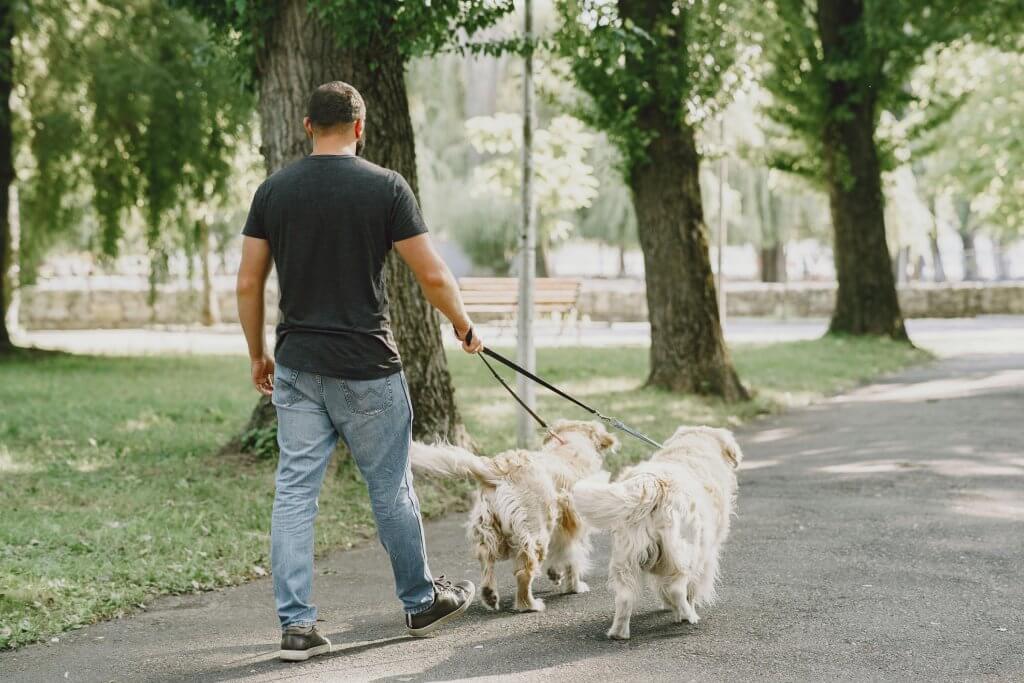
Somewhere between alarm clocks, work calls, traffic, and weather complaints, dog walks slowly turn into something rushed.
- The leash comes out.
- The door opens.
- The dog steps outside.
- Five minutes later, you’re back home.
- And on most days, that feels enough.
After all, your dog ate their food, drank water, and curled up to sleep. Nothing looks wrong on the surface. But dogs don’t show “something’s missing” the way humans do. They show it in smaller, quieter ways — ways that are easy to overlook unless you know what you’re looking for.
Imagine Living Every Day in the Same Two Rooms
For most dogs living in Indian homes, especially apartments, life happens indoors.
- The same smells
- The same walls.
- The same sounds.
Walking outside is not just about movement it is the only part of the day where the world changes.
When dogs walk, they experience variety. New smells, different footsteps, unfamiliar sounds, passing people, moving vehicles. This constant change gives their brain something to process. Without it, days begin to blend together for them in a way we rarely consider.
When Walks Reduce, Dogs Don’t Get “Lazy” They Get Restless
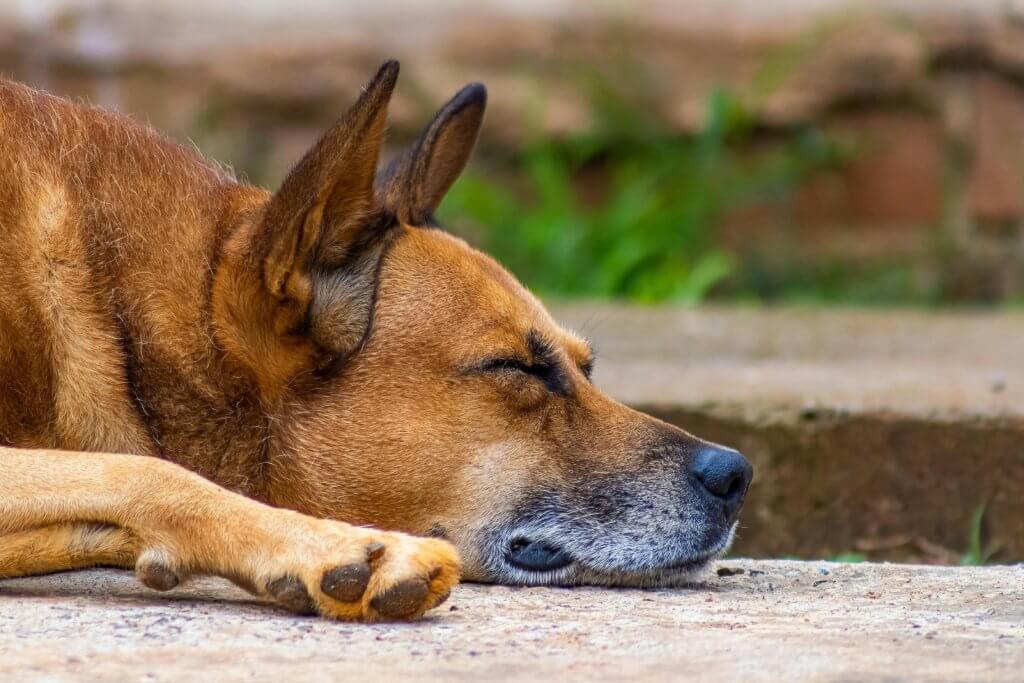
One of the biggest misunderstandings in pet parenting is assuming that a dog who sleeps more or moves less is “low energy”.
Often, it’s the opposite.
Dogs without regular walks may:
- pace the house for no clear reason
- suddenly bark at familiar sounds
- seem unsettled even after playtime
- struggle to relax at night
This isn’t disobedience. It’s unused energy and mental build-up with nowhere to go.
Why Sniffing Matters More Than Distance
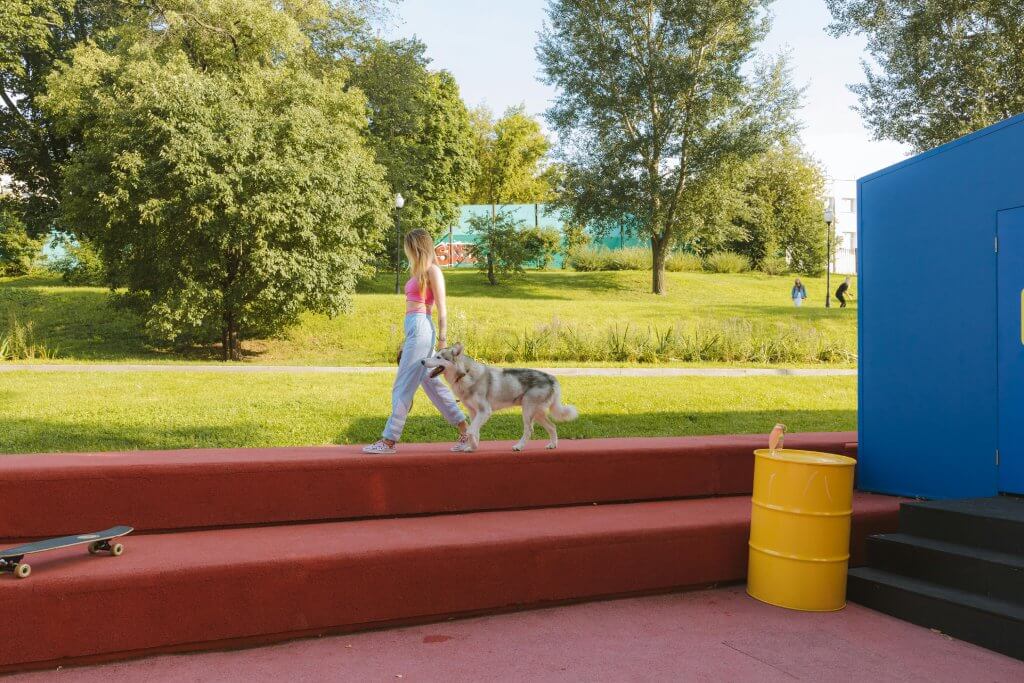
Humans measure walks in minutes and steps. Dogs don’t.
A slow walk where a dog stops often can be far more satisfying than a fast walk where they are constantly pulled along. Smelling the ground, trees, walls, and corners is how dogs understand who has been there and what has changed since the last walk.
When walks become rushed, dogs return home physically walked but mentally unfinished.
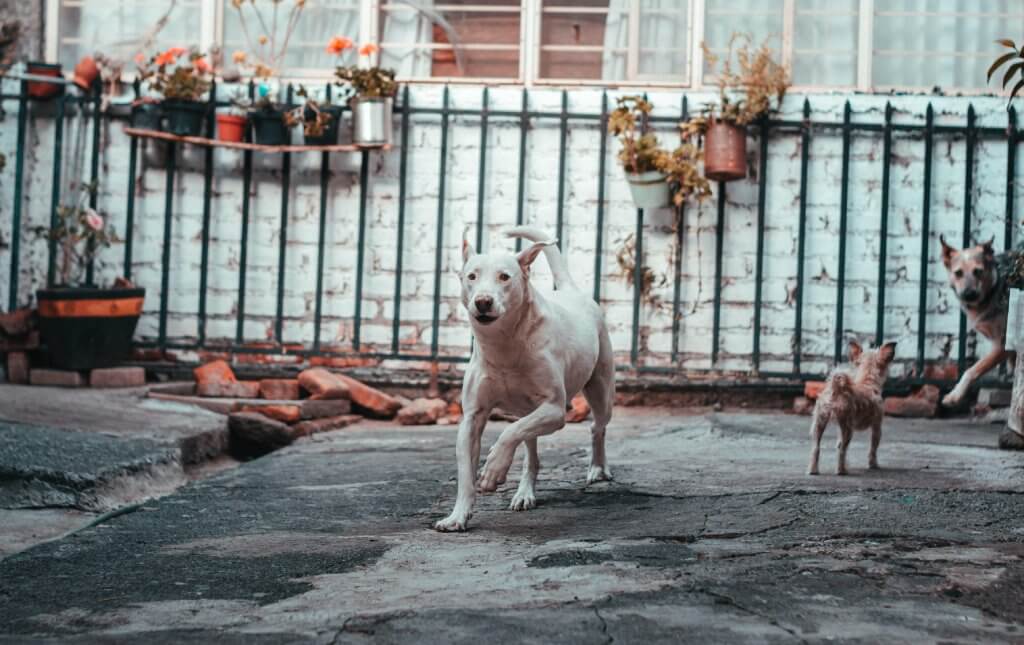
City Life Changes the Rules Completely
They get:
- lifts instead of stairs
- honking instead of birds
- concrete instead of grass
Regular walking helps dogs make sense of this environment instead of feeling overwhelmed by it. Dogs that walk consistently tend to be calmer outside, less reactive to noise, and more confident navigating crowds.
Skipping walks doesn’t protect dogs from the city — it actually makes the city feel bigger and scarier to them.
But My Dog Plays at Home
This is something many dog parents say and it’s true. Indoor play helps.
But play happens in a controlled, familiar space. Walking happens in a changing one.
Dogs need both.
- Indoor play burns energy.
- Outdoor walks organise it.
Without walks, play often turns into overstimulation instead of balance.
Emotional Release Is Invisible Until It Isn’t
Dogs absorb household energy more than we realise.
Changes in routine, guests, loud festivals, or even a stressful workday can affect them. Walking gives dogs a predictable outlet — a pause from indoor tension, noise, or unpredictability.
This is why many dogs seem calmer after walks even if they didn’t walk very far.
Walking Changes How Dogs Exist at Home
This is something pet parents often notice only after consistency returns.
Dogs who walk regularly tend to:
- settle faster indoors
- sleep more peacefully
- engage less in destructive behaviour
- respond better to everyday cues
Nothing dramatic changes overnight. Instead, life with the dog just feels… smoother.
It Was Never About Long Walks
Especially in Indian weather, long walks are not always realistic.
What matters far more is:
- stepping out every day
- keeping timing predictable
- allowing dogs to explore at their pace
A short, calm walk done consistently almost always works better than long walks done occasionally.
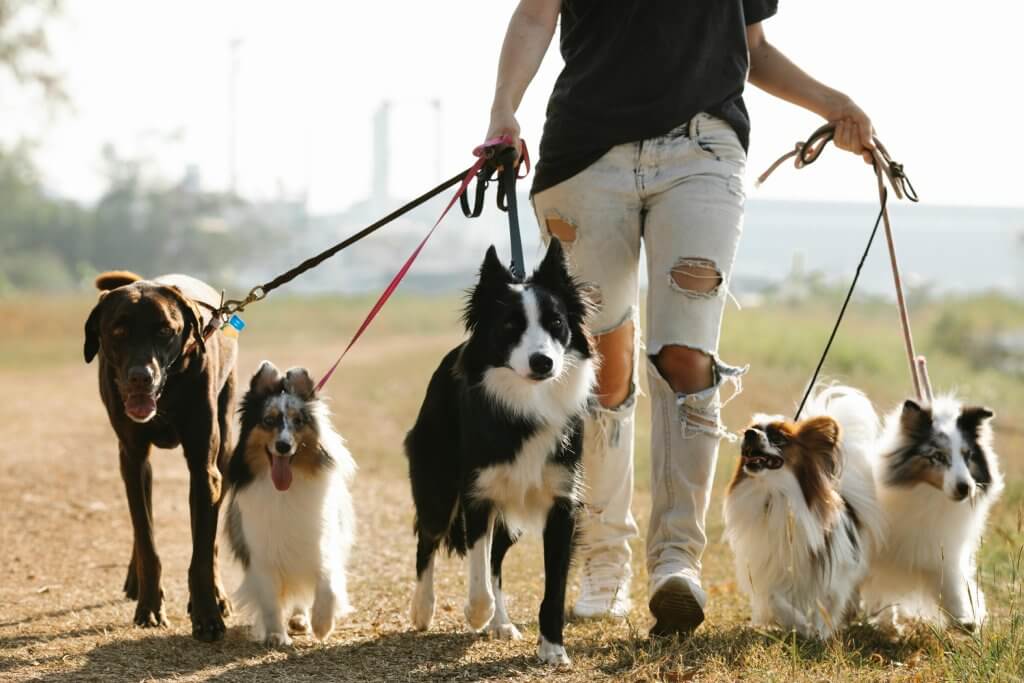
What Walking Really Gives Dogs
Walking gives dogs:
- a sense of rhythm
- a way to process the world
- an outlet for energy and emotion
- a feeling of participation in life outside the home
For dogs, walking isn’t exercise. It’s context.
Before You Put the Leash Away
Dogs don’t need perfect walks. They don’t need fancy routes or long distances.
They need regular access to the world beyond the door.
When walks become optional, dogs slowly shrink their world to four walls. When walks return, their world expands again quietly, naturally, and without effort.
And that expansion changes everything.