


Cat Behaviour Explained Why Your Cat Does What It Does
Or, What Your Dog Is Actually Missing When Walks Get Skipped
If you live with a cat, you’ve probably had at least one moment where you stopped, stared at them, and thought:
“Why… are you like this?”
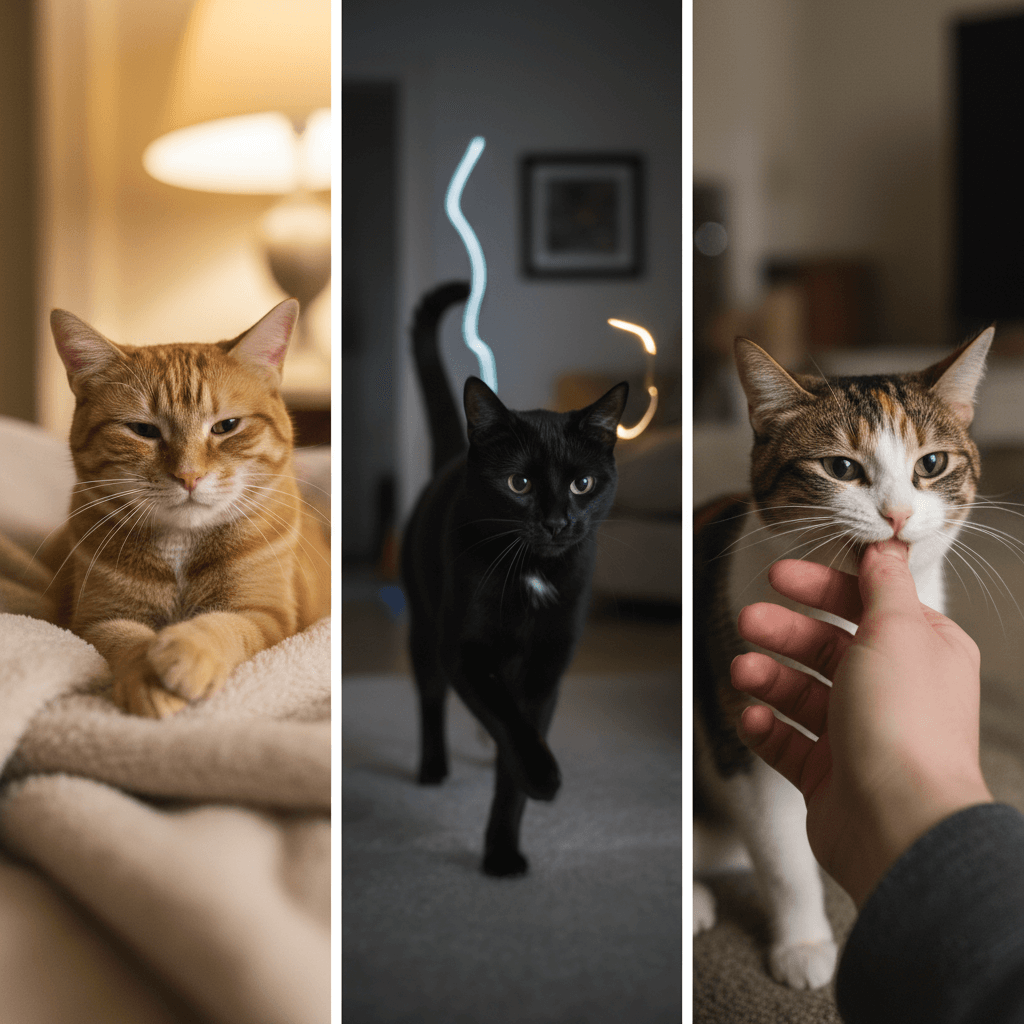
One minute your cat is cuddling you like the sweetest baby, and the next minute they’re knocking things off the table, sprinting across the house at 2 a.m., or staring intensely at absolutely nothing. While cats may seem mysterious, dramatic, or even slightly judgmental at times, most of their behaviour actually makes sense once you understand where it comes from.
This guide is for cat parents who want to understand their cat better — not to change them, but to appreciate why they do what they do.
Understanding Cats: Independent, But Not Distant
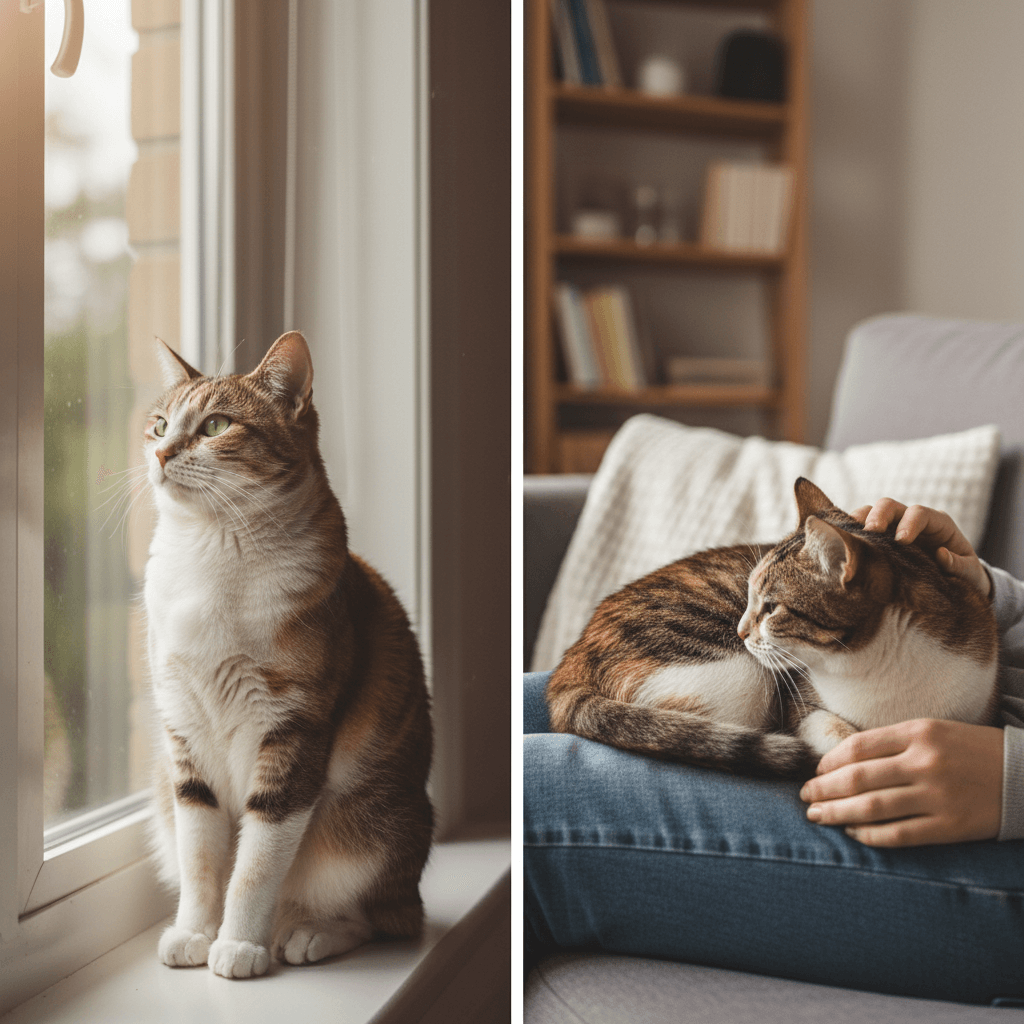
Cats are often described as “independent,” and while that is true, it doesn’t mean they don’t care. Cats simply express emotions differently from dogs and humans. In Indian homes especially, where cats often live indoors with limited outdoor access, their behaviour is shaped by instinct, environment, and routine.
Cats are:
- Naturally curious
- Highly observant
- Sensitive to changes
- Creatures of habit
Once you see the world through a cat’s eyes, many of their “weird” actions suddenly feel logical.
Why Cats Love Boxes (and Small Spaces)
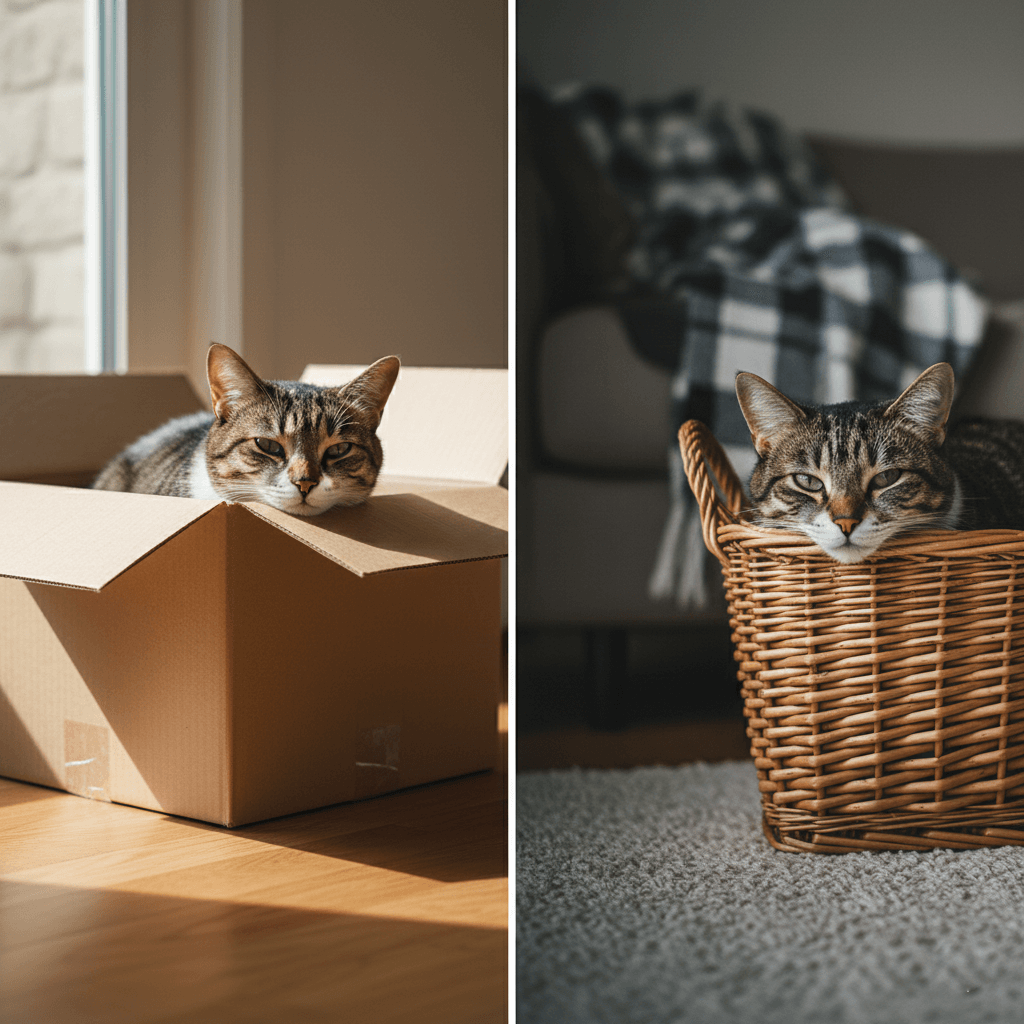
If you buy an expensive bed for your cat, chances are they’ll ignore it and sit inside the delivery box instead. This is not because they are ungrateful it’s because boxes make cats feel safe.
Small, enclosed spaces:
- Reduce stress
- Provide warmth
- Allow cats to observe without being seen
In Indian homes, cats often choose cupboards, shelves, suitcases, or even pressure cookers (yes, really). This behaviour is completely normal and linked to their instinct to hide while resting.
Why Cats Knead Blankets, Cushions, or You
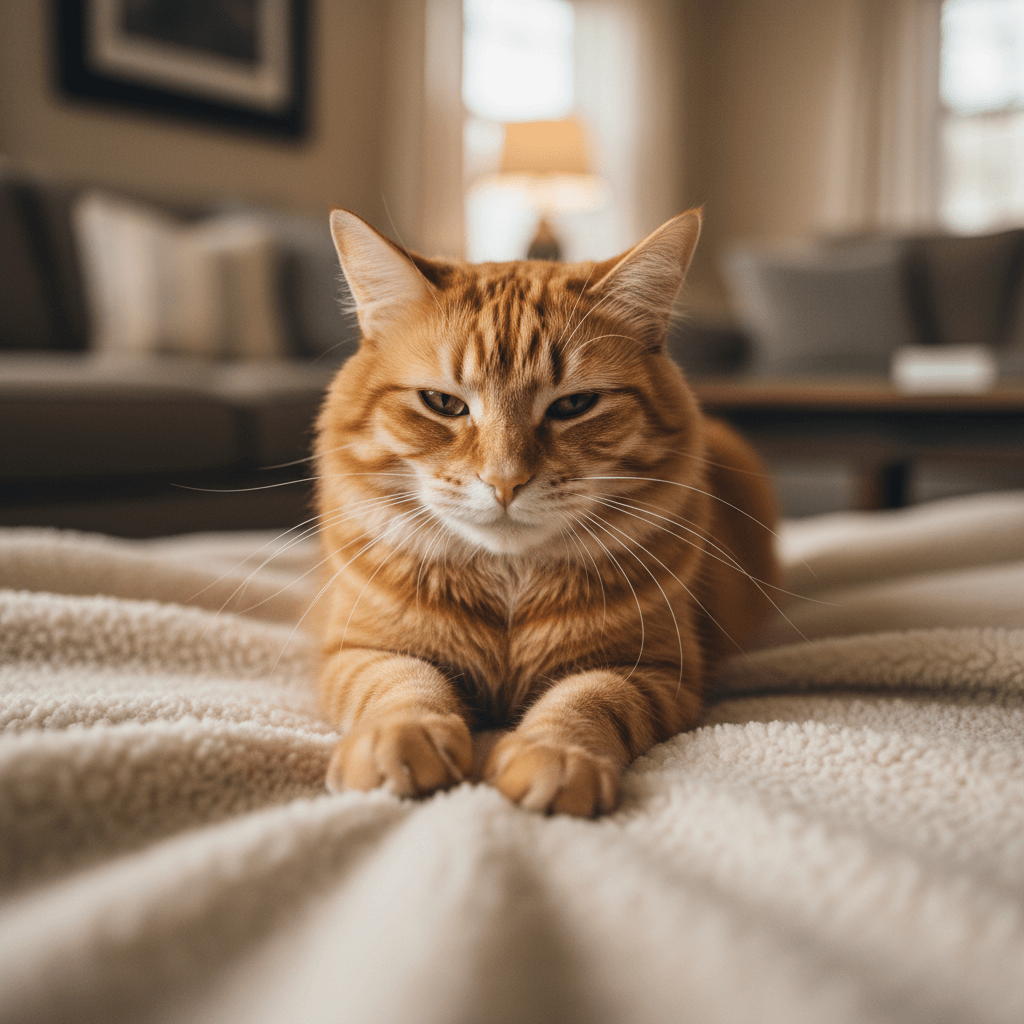
That rhythmic pressing of paws often called “making biscuits” is one of the most misunderstood cat behaviours.
Cats knead because:
- Kittens knead their mother while nursing
- It brings comfort and relaxation
- It shows trust and emotional safety
If your cat kneads you, congratulations you are officially part of their safe space.
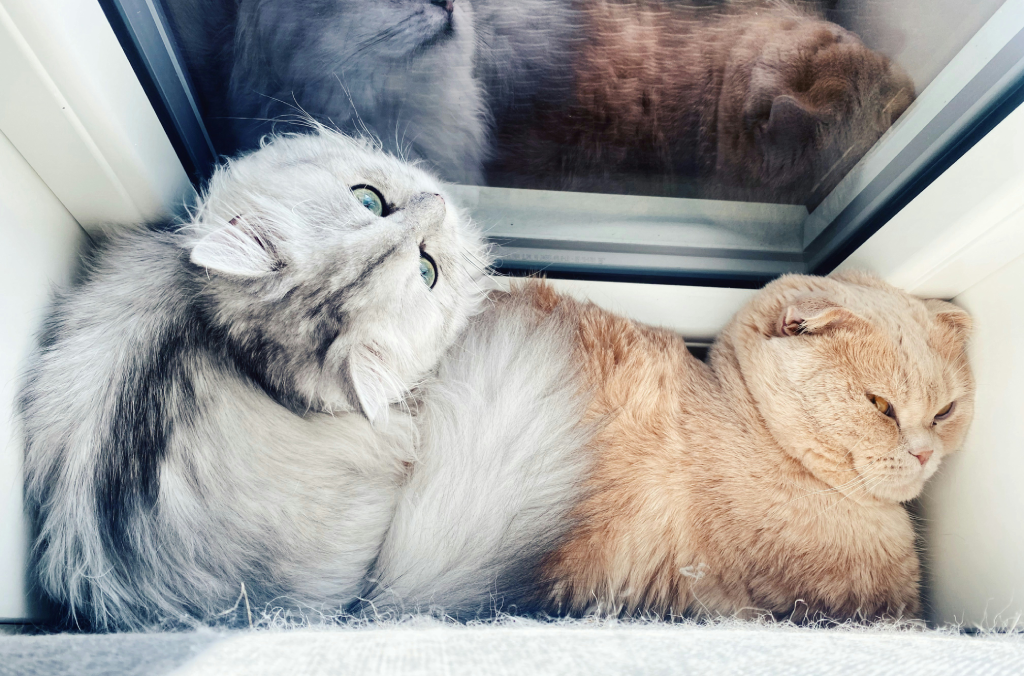
Why Cats Sit Near Windows and Stare Outside
Cats love windows because they are live entertainment.
Birds, people, vehicles, sounds everything outside stimulates a cat’s hunting instincts. For indoor cats, especially in apartments, windows become their connection to the outside world.
This behaviour helps:
- Prevent boredom
- Provide mental stimulation
- Reduce stress
Even if nothing seems to be happening, your cat is always watching something you can’t.
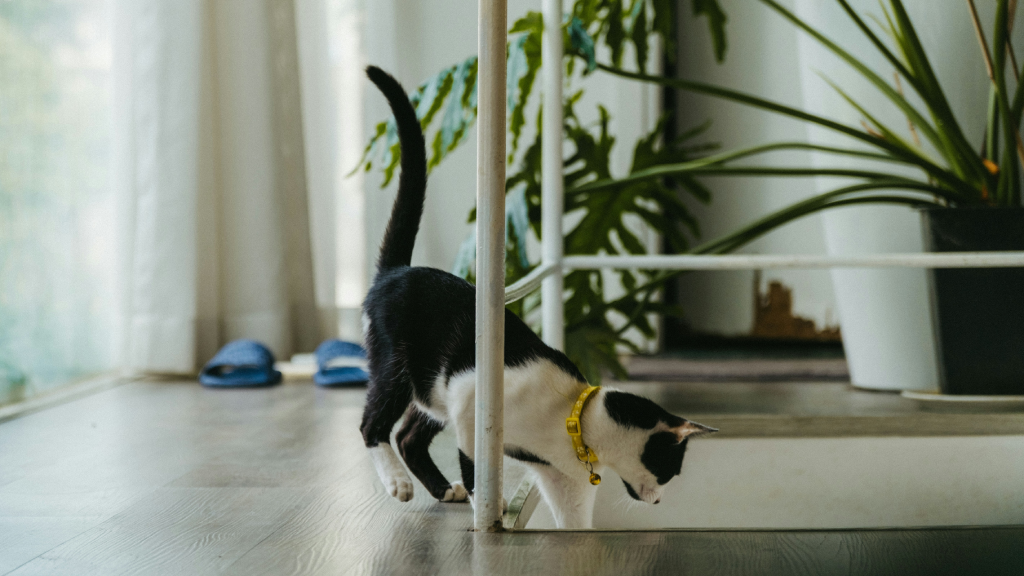
Why Cats Randomly Run Around the House
Sudden bursts of energy, often called “zoomies,” are extremely common in cats.
These usually happen:
- Late at night or early morning
- After using the litter box
- When cats haven’t played enough
Zoomies are a healthy way for cats to release pent-up energy, especially in indoor environments where movement is limited.
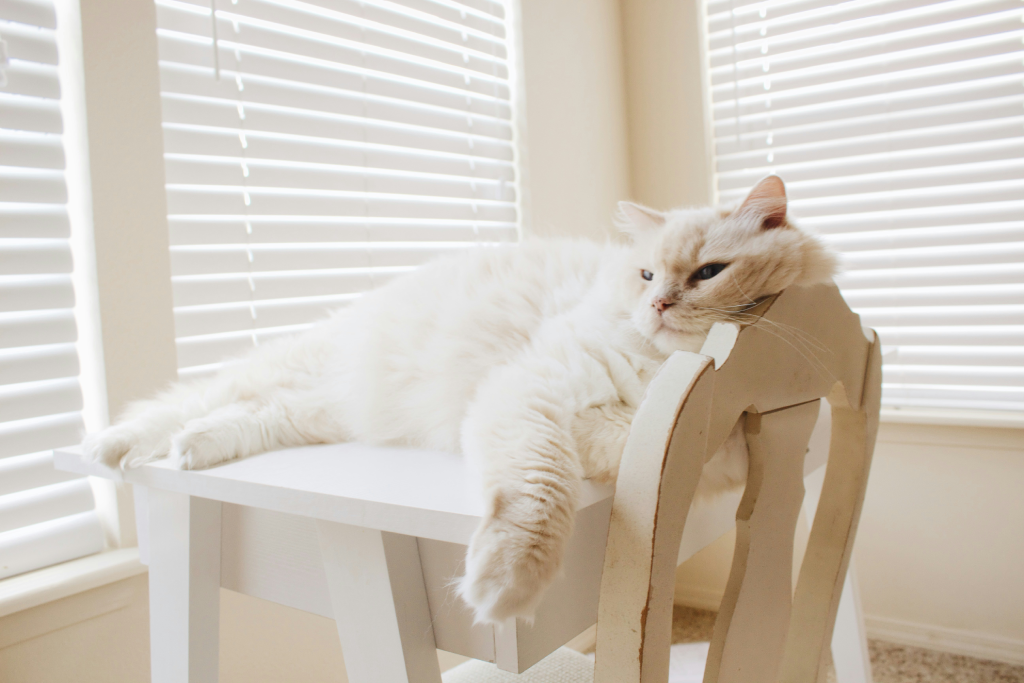
Why Cats Knock Things Off Tables
Yes, cats know what they’re doing.
Cats knock things over because:
- They’re curious about movement
- They want attention
- They’re bored
- They’re testing cause and effect
In many cases, it’s your reaction that makes the behaviour more fun. Calm redirection works better than scolding.
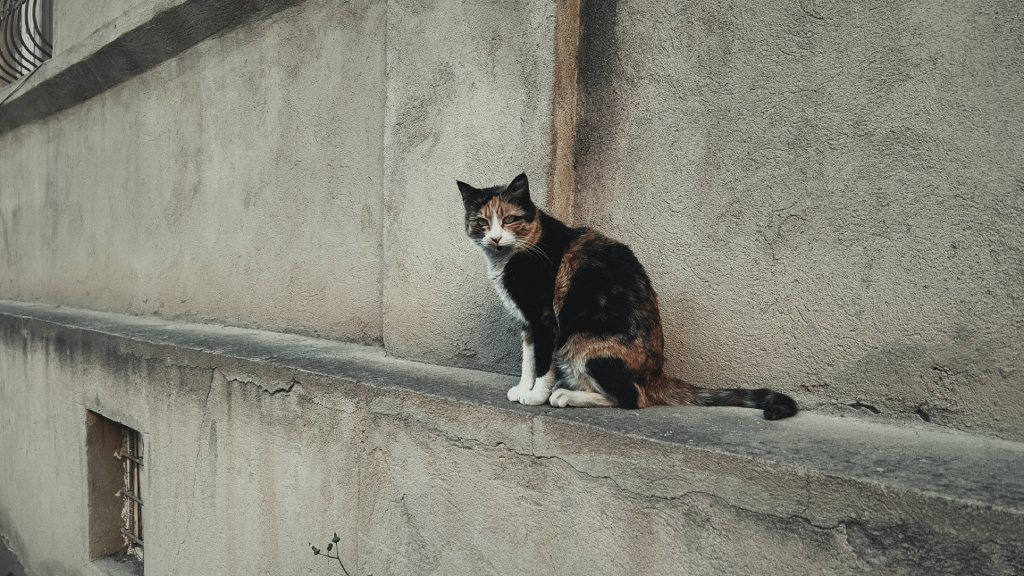
Why Cats Stare at You (or the Wall)
A slow, relaxed stare from your cat is often a sign of trust. A long blink is the cat equivalent of saying, “I’m comfortable with you.”
As for staring at walls or corners this is usually because:
- They hear subtle sounds
- They notice tiny movements
- Their senses are sharper than ours
It’s rarely something to worry about.
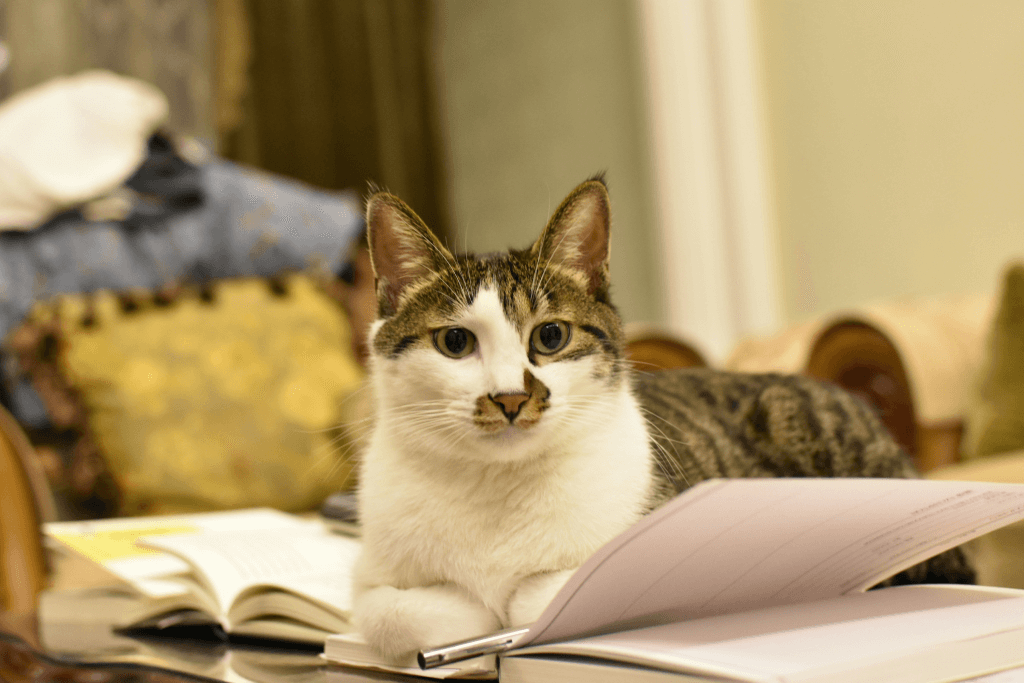
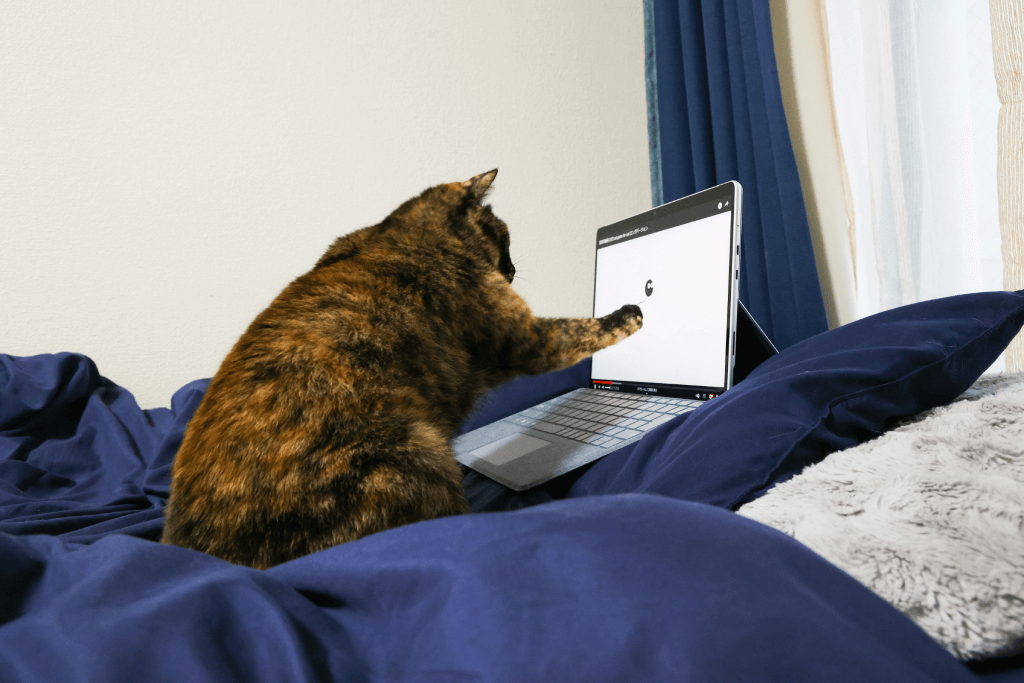
Why Cats Sit on Your Laptop, Book, or Clothes
Cats love warmth and familiar scents. Your laptop is warm, your clothes smell like you, and your book has your attention all very attractive to a cat.
This behaviour usually means:
- Your cat wants closeness
- Your cat wants attention
- Your cat likes shared space
To them, sitting on your things is a form of bonding.
Why Cats Sleep So Much
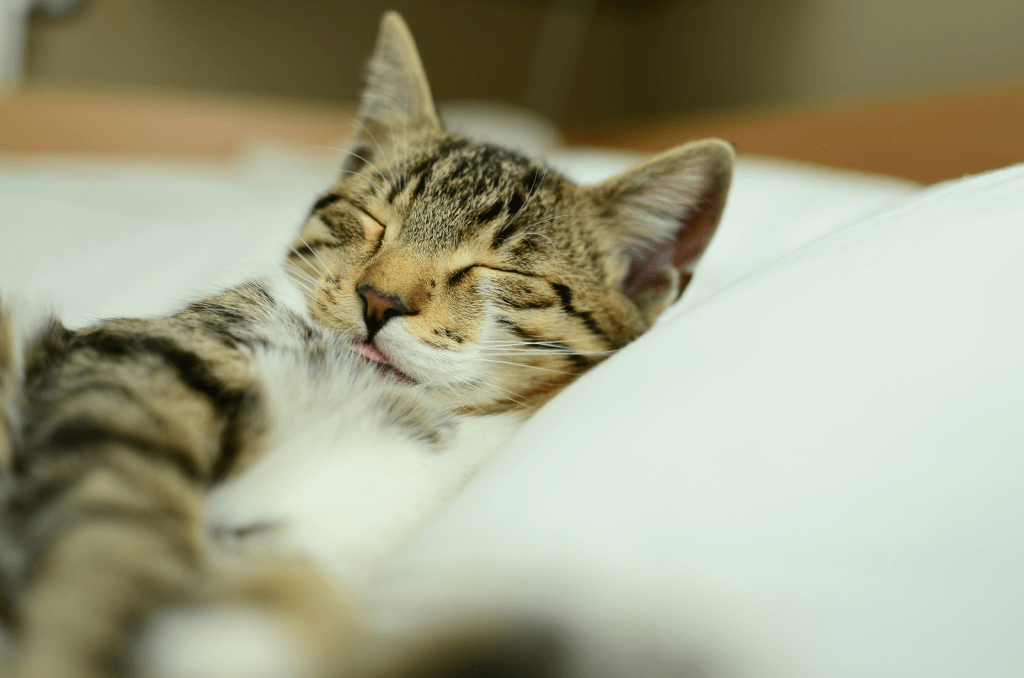
Cats can sleep anywhere from 12 to 16 hours a day, sometimes more.
This is normal because:
- Cats are natural hunters
- Hunting requires conserving energy
- Indoor life is safe and calm
Cats don’t sleep deeply all the time much of it is light resting while staying alert.
Behaviour Changes During Weather or Routine Shifts
In Indian climates, cats may behave differently during:
- Extreme summer heat
- Monsoon humidity
- Loud festivals or construction
They may hide more, eat less, or sleep more. Changes in routine, guests, or relocation can also temporarily affect behaviour.
When to Observe Calmly (Not Panic)
Not every behaviour change means something is wrong.
Observe calmly if your cat:
- Skips play for a day
- Eats slightly less occasionally
- Sleeps more during hot weather
Cats communicate subtly, and understanding their baseline behaviour helps you notice real changes without stress.
Final Thoughts
Cats may never behave the way we expect them to — and that’s exactly what makes them special. Once you stop trying to “decode” cats as humans and instead understand them as cats, their behaviour becomes less confusing and much more endearing.
Living with a cat is about patience, observation, and respecting their individuality. The more you understand them, the stronger your bond becomes.