

Pet Winter Care Basics for Indian Homes
How Pets Experience Cold — and the Small Things That Help Them Feel Better
Winter in India is subtle in some places and sharp in others. For humans, it shows up as foggy mornings, colder floors, closed windows, and evenings that arrive earlier than expected. For pets, winter arrives quietly through cold tiles, reduced sunlight, slower mornings, and longer hours spent indoors.
Most pets won’t show obvious discomfort when temperatures drop. Instead, they adjust silently. They sleep a little longer, curl up tighter, move less in the early hours, or shift restlessly between spots in the house looking for warmth. These changes are easy to miss, but they are also the clearest signs that winter care doesn’t need to be complicated it just needs attention.
Winter Care Basics That Apply to All Pets
Before We Talk About Dogs, Cats, Birds, or Fish
Across species, pets respond to winter in similar ways. They seek warmth, avoid cold surfaces, and conserve energy. In Indian homes, where tiled or stone flooring is common and heating is minimal, this becomes especially important.
Most pets benefit from:
- A warm, draft-free place to rest
- Soft bedding that insulates them from cold floors
- Predictable routines even when mornings feel slower
- Access to sunlight during the day
Winter often changes how pets use space. They may avoid certain rooms, choose corners away from doors, or follow sunlight across the house. These are not habits to correct they’re natural responses to temperature and comfort.
Another quiet winter change is hydration. Many pets drink less water in colder weather without showing obvious signs. Keeping fresh water easily accessible and part of the daily routine helps maintain balance without forcing behaviour.
At its core, winter pet care is less about doing more and more about noticing small shifts where your pet sleeps, how they move, and what they avoid.
A Winter Morning, Seen From a Pet’s Perspective
On a cold morning, Indian homes often feel colder inside than outside. Floors hold onto the chill, fans stay off, and sunlight takes its time reaching the rooms. Pets feel this immediately.
You may notice hesitation before getting up, longer stretches of rest, or a clear preference for rugs, blankets, or sunny corners. These moments are your pet quietly adjusting to the season and they guide how winter care should look.
Winter Care for Common Pets in Indian Homes
Because Each Pet Feels Cold Differently
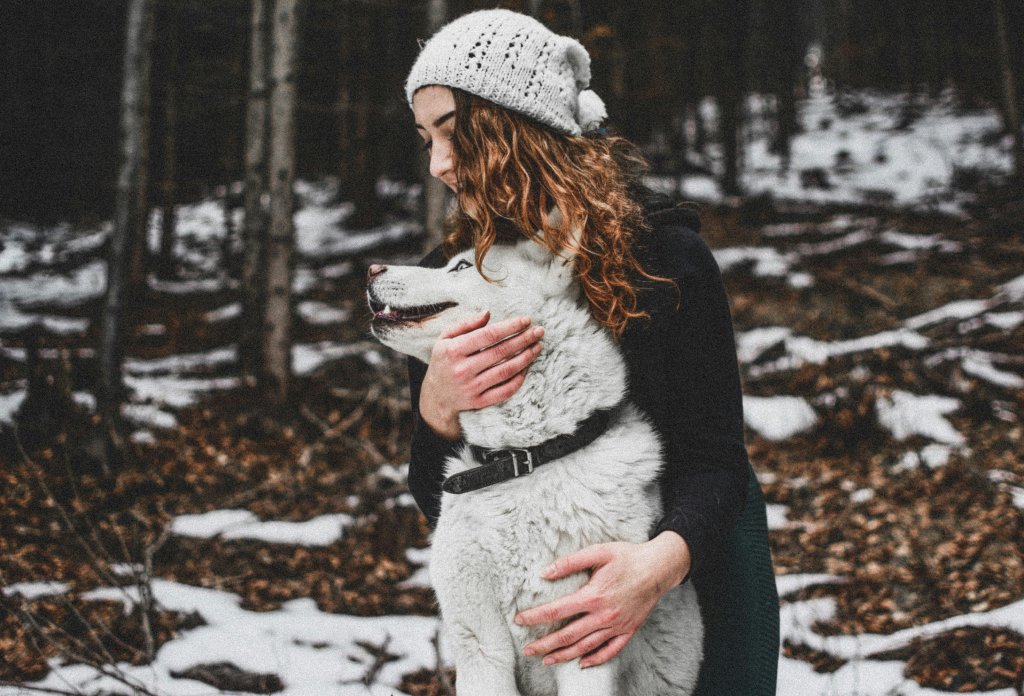
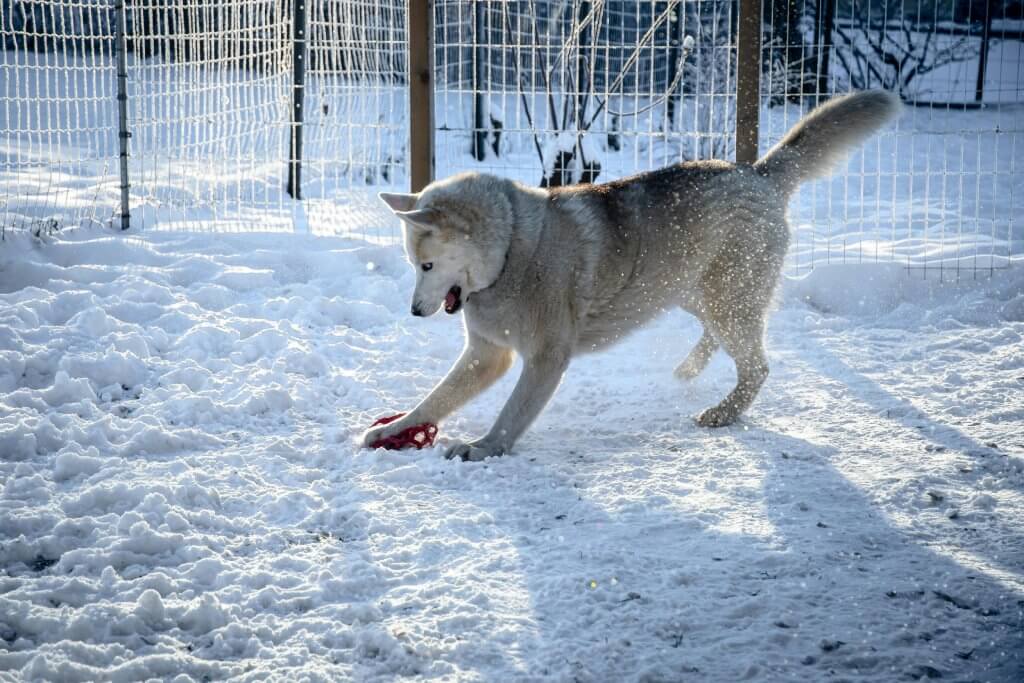
Dogs: Cold Floors, Slower Starts, Quieter Evenings
Dogs often show winter changes most clearly during early mornings and late evenings. Cold floors and chilly air can make them slower to get moving, especially in homes with tile flooring.
You may notice dogs:
- Curling up more tightly while sleeping
- Seeking rugs or bedding instead of bare floors
- Taking time before stepping outside
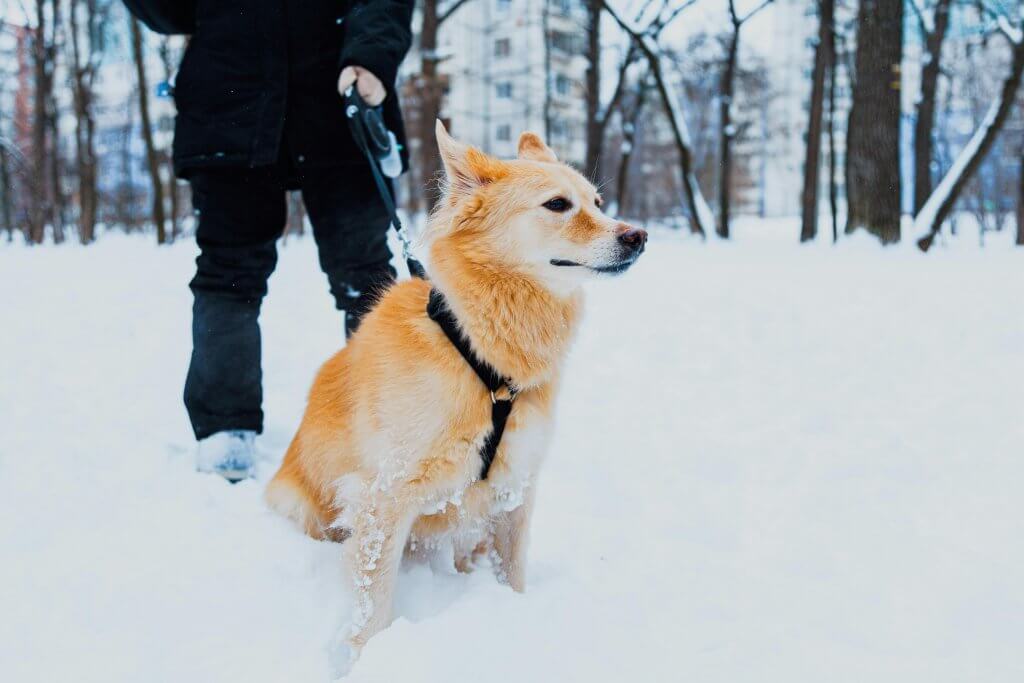
Providing warm bedding, placing rugs in favourite resting spots, and adjusting walk timings slightly during colder days can help dogs stay comfortable without disrupting routine. In winter, shorter but consistent walks usually work better than long, rushed ones.
Cats: Finding Warmth Without Asking for It
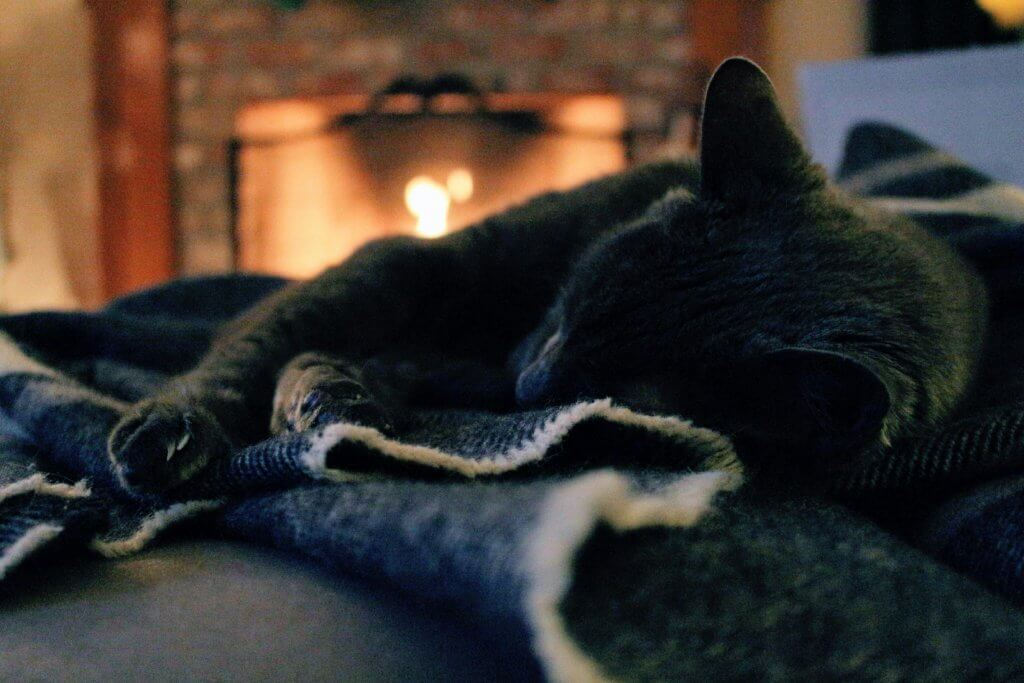
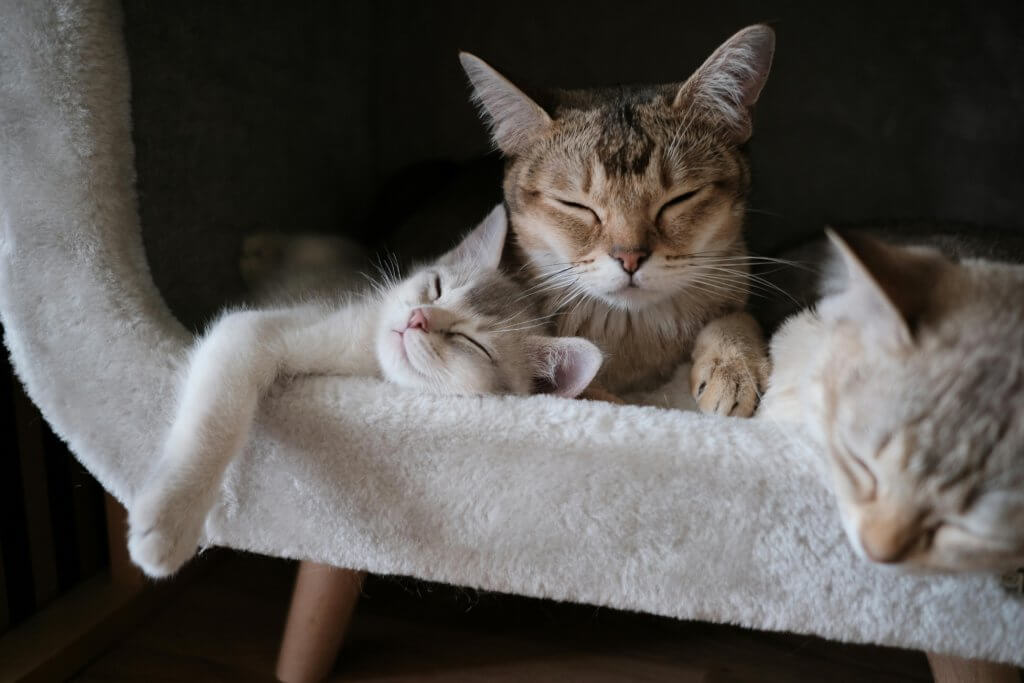
Cats are experts at locating warmth. In winter, they quietly rearrange their lives around it.
Cats may:
- Sleep more than usual
- Choose cupboards, folded clothes, laptops, or cushions
- Move from room to room following sunlight
Because cats are independent, their winter needs are often easy to miss. Soft bedding in quiet corners and access to safe, sunny spots go a long way. Cats may also drink less water in winter, so keeping water bowls visible and refreshed matters more than we realise.
Birds: Sensitive to Drafts and Sudden Temperature Drops
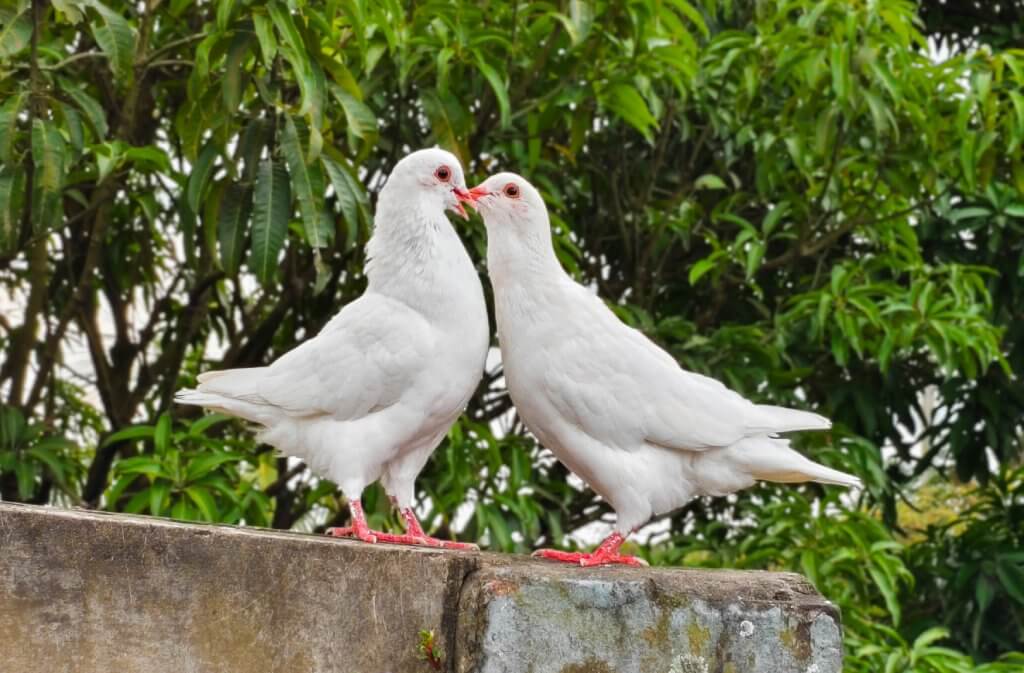
Pet birds are particularly sensitive to cold air and sudden changes in temperature.
In winter, birds may:
- Fluff their feathers more often
- Stay still for longer periods
- Avoid cooler parts of the room
Cages placed near windows, doors, or direct drafts can become uncomfortable during cold nights. Moving cages to stable, draft-free areas and partially covering them at night (without blocking airflow) helps birds feel secure. Sudden temperature changes are more stressful for birds than steady cold.


Fish: Quiet Changes That Happen Below the Surface
Fish experience winter in ways that are easy to overlook because the changes happen silently.
During colder months:
- Fish may move less
- Appetite may reduce slightly
- Tank water may cool more at night
Keeping aquariums away from windows, cold drafts, or direct contact with cold floors helps maintain stability. Winter is usually a season for observation rather than frequent changes consistency matters more than intervention.
Winter Doesn’t Ask for Big Changes Just Better Awareness
Across dogs, cats, birds, and fish, winter care is rarely about doing something drastic. It’s about recognising how the season quietly changes your home and responding gently.
Warmth, routine, and observation form the foundation of winter pet care regardless of species.
What This Season Really Asks of Us
Winter slows life down. Pets feel that slowdown too.
Meeting them at that pace with warmer resting spaces, small routine adjustments, and attention to what they choose helps them feel safe and settled through the colder months.
They may never ask for extra warmth or comfort.
But they always notice when it’s there.